When it’s time to trade in your car, and many of you will in the next 10 days, preparation is one of the few things fully under your control. A well-presented vehicle tells the dealership you’ve taken care of it, helps you avoid deductions, and can raise your offer. With used-vehicle pricing on the rise again, the little things matter more than ever. A clean car, complete records, and realistic expectations can easily translate into hundreds of extra dollars on your appraisal.
Before you ever set foot on a lot, start with research. Use multiple reputable valuation tools to get an honest picture of your car’s worth in your region. No single source will match the exact number your dealership offers, but seeing a range helps you understand what’s reasonable. Mileage, equipment, local demand, and condition all affect a trade value. The goal is not to negotiate from fantasy numbers but to enter the process informed, confident, and prepared. The SELL A CAR link at my website is a good place to get an actual bid. Remember, a car is only worth what someone will write a check for, and KBB doesn’t write checks.
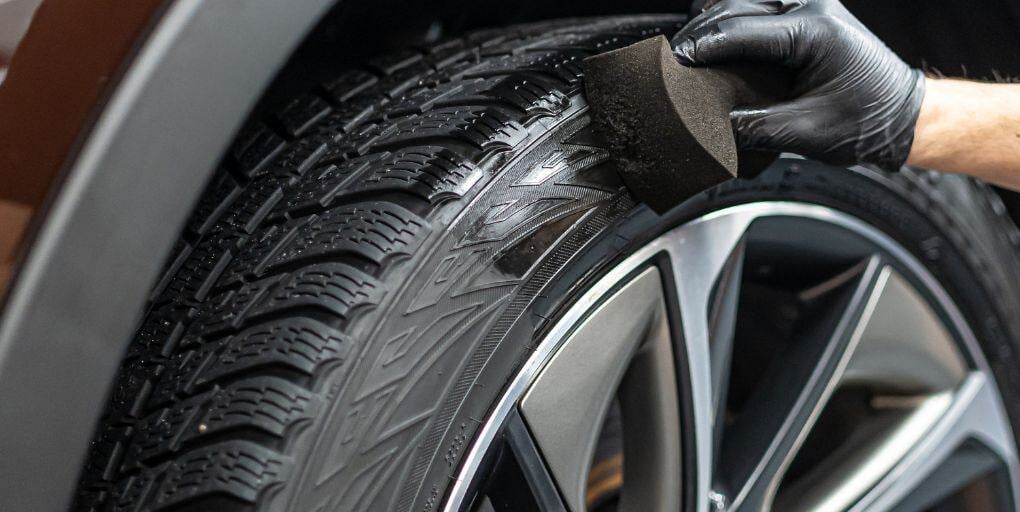
A clean car almost always appraises better than a dirty one. It sounds simple, but many people still drive up with a car full of crumbs, stains, dog hair, and yesterday’s fast-food bags. Give the exterior a good wash and wax, clean the wheels, and remove decals if possible. Inside, vacuum thoroughly, wipe down surfaces, clean the glass, and remove every personal item. Even if the dealer ultimately reconditions the car, first impressions drive their thinking. For older cars or vehicles with cosmetic issues, a professional detail can be money well spent.
Documentation is another step that pays. Bring your title if you have it, current registration, and every set of keys and remotes you received when you bought the car. A missing key can cost a dealer several hundred dollars, and you can be sure they will deduct that from your offer. Service records are even more important. Oil changes, brake work, tire rotations, recalls, and warranty repairs all tell the story of how you treated the car. When a dealer doesn’t know the history, they assume the worst and price accordingly. I recommend getting the receipts together and leaving them on the front seat, in view of the appraiser.
When it comes to repairs, be strategic. Some things are worth fixing before you trade the car in, especially if the cost is minimal. Burned-out bulbs, malfunctioning wipers, or a cracked windshield with a low insurance deductible are easy wins. But don’t spend money on dent repair, wheel rash, paint touch-ups, or new tires unless absolutely necessary. Dealers can address cosmetic issues more cheaply than you can, and you rarely get your money back by doing it yourself. The exception is any mechanical problem that makes the car run poorly—if the engine light is on, fix it. A warning light can drop a trade value dramatically.
Timing also plays a role in what you receive. Dealerships operate on monthly and quarterly sales cycles, and trade-in allowances often get more flexible as they approach sales deadlines. Seasonality matters too. A convertible tends to bring more money in spring, while SUVs and trucks shine in the colder months or during towing season. If waiting a few weeks could put your car in a more favorable window, it’s worth considering.
Another important best practice is to separate negotiations. Work the price of your new car first, then discuss your trade. Mixing the two too early gives the dealership room to shift numbers around, making it harder to see where the real value is. And don’t hesitate to get multiple appraisals. Even if you plan to buy from a specific dealer, a competing offer strengthens your position.
Before you head to the dealership, run through a simple final checklist: remove all personal items, verify you have every key, gather your records, clear your navigation and Bluetooth data, grab your garage door opener, and bring your driver’s license and proof of insurance. If you still owe on your current vehicle, know your exact payoff amount so there are no surprises. In many states, including Texas, your trade value reduces the taxable amount on your new purchase. That savings can make a meaningful difference. If your credit file is frozen, unfreeze it before you go to the dealership.
Trading in a car doesn’t have to be stressful. When you know your numbers, clean and prepare the vehicle, gather your documentation, and negotiate with clarity, you put yourself in the best possible position. A little planning goes a long way, and the reward often shows up in the final offer you receive—a better number, a smoother transaction, and a stronger feeling that you made the right move at the right time.

.jpg?width=150&name=jerry-headshot.jpg%20(1).jpg)